Identifying and Fixing Roof Leaks Around Chimneys and Flashing
Your home is your sanctuary, but when a heavy rainstorm rolls through Richmond, a steady drip coming from your ceiling can quickly turn a cozy evening into a stressful situation. One of the most common culprits for water intrusion in residential properties is a roof leaking around chimney flashing. Because chimneys interrupt the continuous slope of your roof, they require specialized metal transitions to keep water out. Over time, these seals can degrade, leaving your home vulnerable to moisture damage, wood rot, and interior staining. At ICON Roofing & Exterior, we frequently help homeowners navigate these exact issues, ensuring their homes stay dry, secure, and fully protected from the elements.
Recognizing the Signs of Step Flashing Failure on a Roof
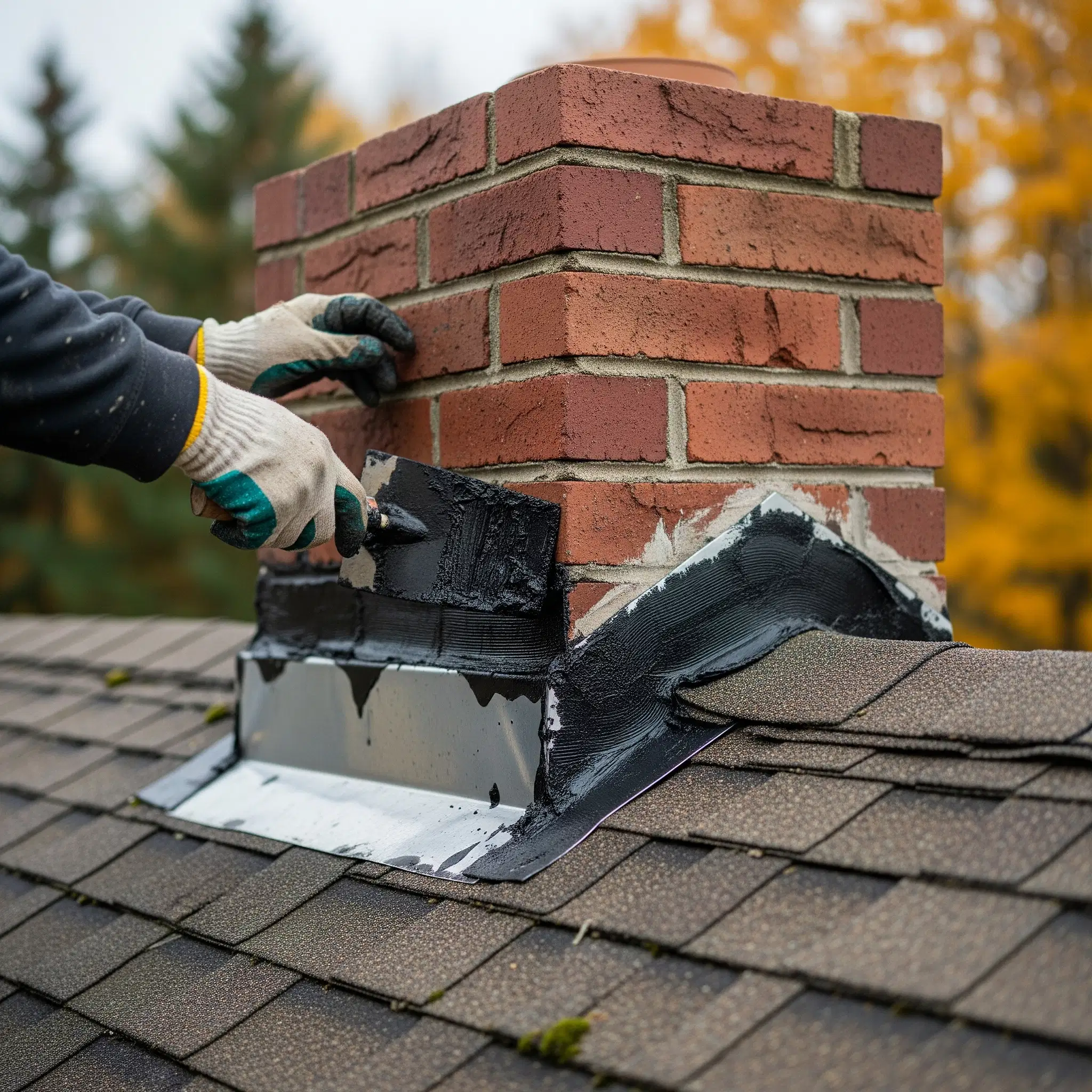
To understand why chimneys leak, it helps to know how they are sealed in the first place. A proper seal requires two distinct layers of metal. The first is step flashing, which is woven carefully between the shingles and bent up the side of the chimney. The second is counter flashing, which is embedded directly into the chimney's mortar joints and folds down over the step flashing. When these components work together flawlessly, they direct water safely down the slope of your roof and away from vulnerable seams.
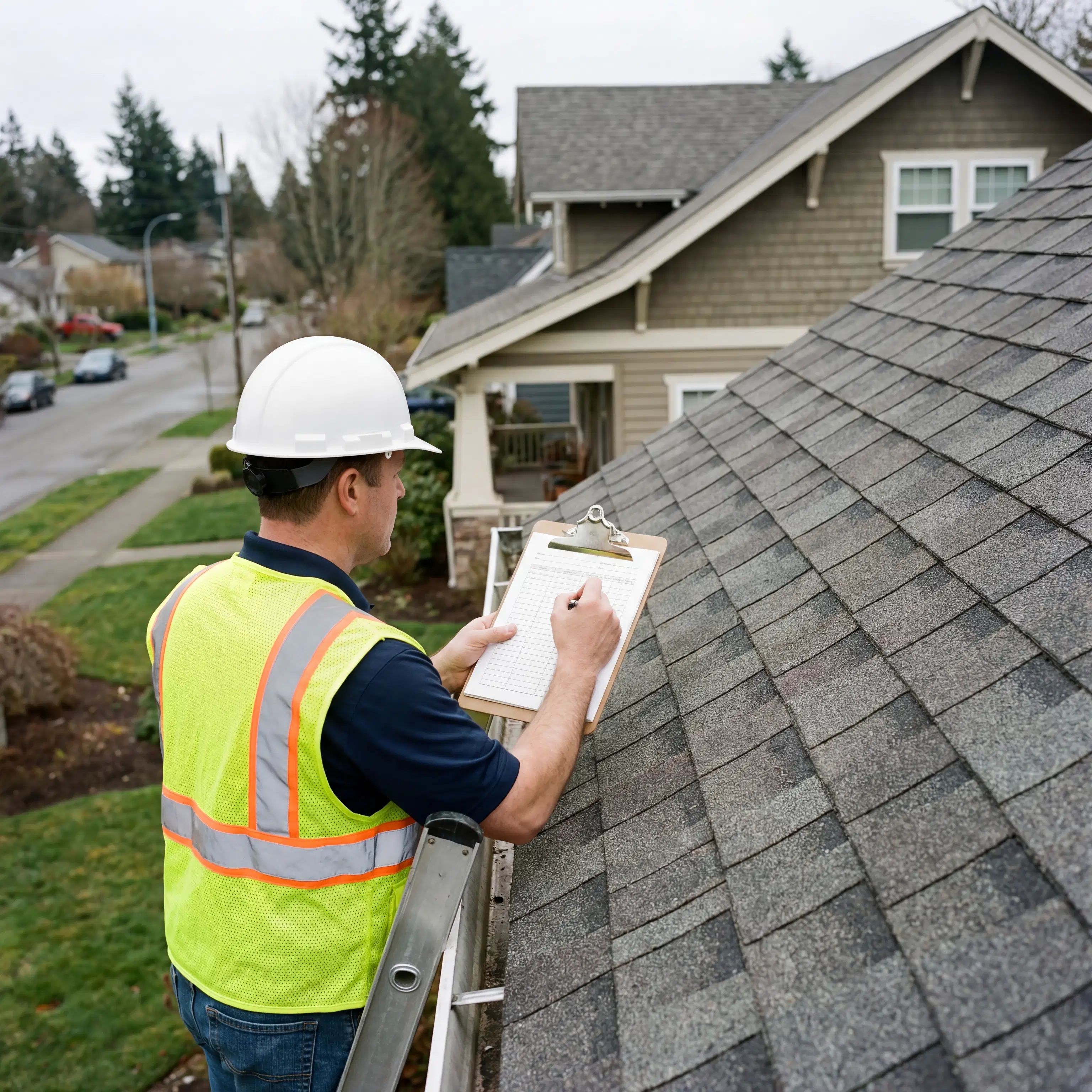
However, our harsh Gulf Coast weather puts these materials to the ultimate test. Extreme Texas heat can cause sealants to dry out and crack prematurely, while high winds and heavy downpours can slowly loosen the metal. The high humidity we experience living near the Brazos River basin can also accelerate wear on roofing components. So, how can you tell if your flashing is failing? Inside your home, you might notice brown water stains on the ceiling or walls directly adjacent to the fireplace. Up in your attic, you might see damp insulation or dark streaks on the wooden rafters surrounding the chimney structure.
Many homeowners ask us how to tell if their roof has storm damage or if it is just showing normal wear and tear. Normal wear typically presents as slowly deteriorating caulk, minor surface rust on the metal, or a gradual loosening of the flashing over ten or fifteen years. Conversely, storm damage is usually sudden and acute. High winds can literally peel the counter flashing away from the brick, while hail can dent the metal and deeply fracture the surrounding shingles. We utilize advanced drone inspections to safely and accurately assess this damage, providing you with high-resolution video evidence of the exact condition of your roof before any work begins. If you suspect your flashing is compromised, exploring professional residential roofing services is the best first step to preventing further interior damage.
How to Fix a Roof Leak Around a Chimney
When researching how to fix a roof leak around a chimney, you will likely find plenty of quick-fix DIY tutorials suggesting you simply grab a ladder and a tube of roofing cement. While slathering sealant over the joint might temporarily stop a minor drip, it is rarely a permanent solution. The severe temperature fluctuations we experience throughout the year will inevitably cause that temporary sealant to crack and fail, often within a single season, leaving you right back where you started.
Properly repairing damaged roof penetration seals requires a meticulous approach. A professional crew will carefully remove the surrounding shingles, take off the old, bent metal, and install brand new step and counter flashing. The counter flashing must be securely anchored into the mortar joints of the chimney using masonry anchors and specialized polyurethane sealants for a flexible, watertight bond. It is a highly precise process that requires specialized tools, extensive safety equipment, and a deep understanding of water shedding principles.
This brings up an important point for homeowners: how do you choose a reputable, licensed, and insured contractor to handle these repairs? After major weather events, Fort Bend County often sees an influx of out-of-state storm chasers knocking on doors. These transient companies frequently offer cut-rate prices but lack the local accountability to honor warranties if that chimney starts leaking again next spring. To protect your investment, always look for an established local contractor with verifiable credentials, proper safety protocols, and a physical presence in the community. Relying on an experienced local team for roof repair and maintenance ensures the job is done right the first time, using high-quality materials rated specifically for our intense climate.
Protecting Your Home for the Long Haul
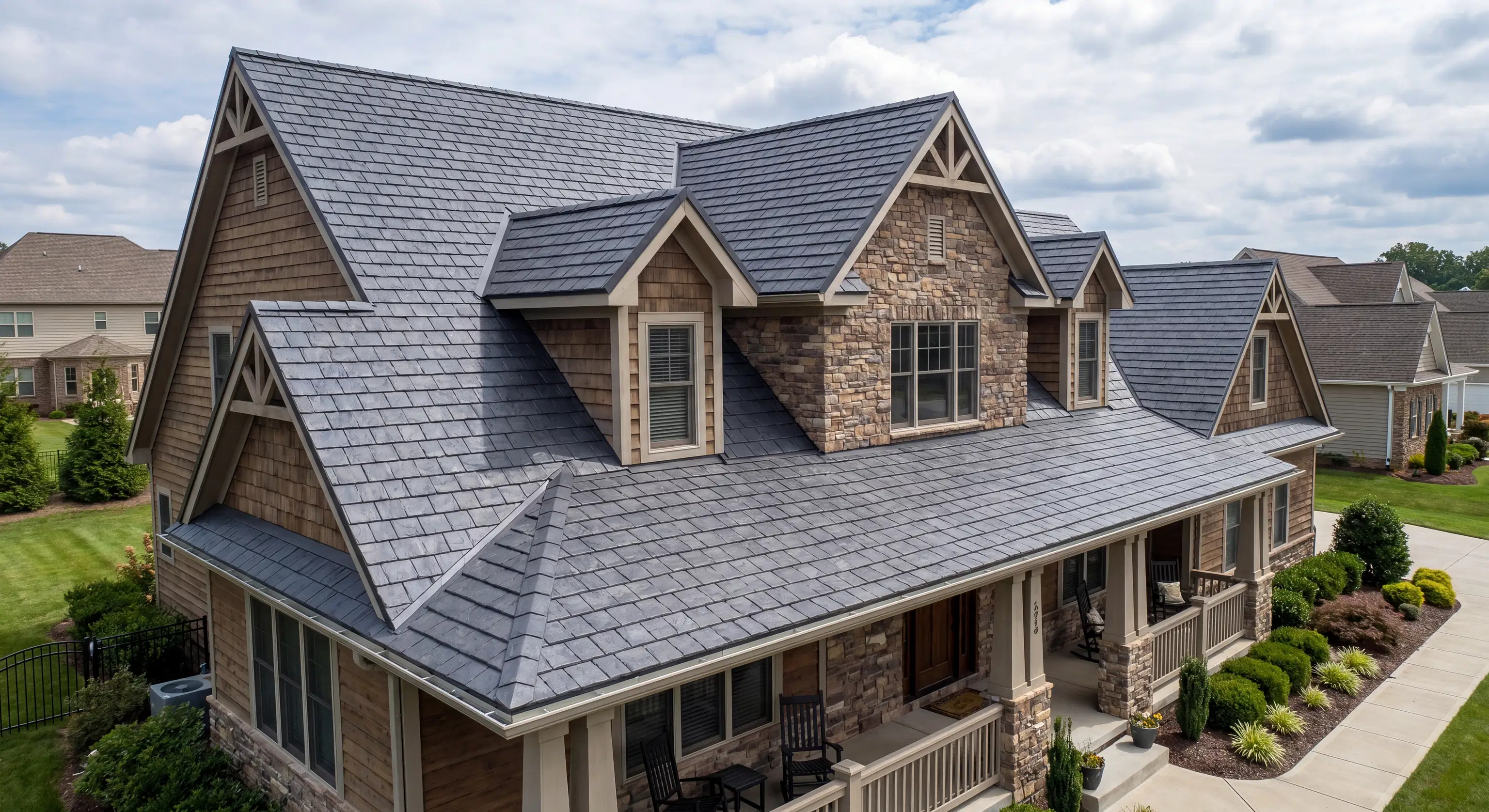
A roof is a complex, integrated system, and its most vulnerable points will always be where that system is interrupted by vents, skylights, and chimneys. By keeping a vigilant eye out for early warning signs of flashing failure and addressing repairs promptly with proper, long-lasting techniques, you can significantly extend the lifespan of your roof and prevent costly interior water damage.
Whether you live right off the Grand Parkway or tucked away in a quiet, mature neighborhood with sprawling oak trees, keeping your home safe and watertight is our top priority. If you have noticed suspicious water stains near your fireplace or simply want peace of mind before the next heavy rainstorm hits, ICON Roofing & Exterior is here to help. Reach out to us today to schedule a comprehensive evaluation, and let our local experts provide the reliable, honest solutions your home deserves. Contact us to get started on protecting your most valuable asset.