Identifying Hail Damage Versus Normal Wear: A Homeowner's Guide
Living with unpredictable Gulf Coast weather means our homes are constantly tested by the elements. From the blistering summer sun to intense sudden storms rolling through Richmond, your roof acts as the primary shield for your family and your property. After a severe weather event, it is incredibly common to look up at your home and wonder if the condition of your shingles is cause for concern.
One of the most frequent questions we receive is how to know if a roof has actual storm damage or if it is simply showing normal wear and tear from age and the environment. Telling the difference is crucial because it dictates whether you need standard maintenance or if you should be filing an insurance claim for roof hail damage.
Understanding what to look for can save you time, protect your home's structure, and prevent you from falling victim to out-of-state storm chasers who often misrepresent basic aging as catastrophic damage. In this guide, we will walk you through the distinct characteristics of hail damage vs normal shingle wear so you can make informed decisions about your property.
Recognizing Normal Wear and Tear
Roofs have a natural lifecycle, and the extreme heat of a Texas summer accelerates certain aging processes. Over the years, exposure to ultraviolet rays, thermal expansion, and the humid environment of the Brazos River basin will naturally alter the appearance of your shingles.
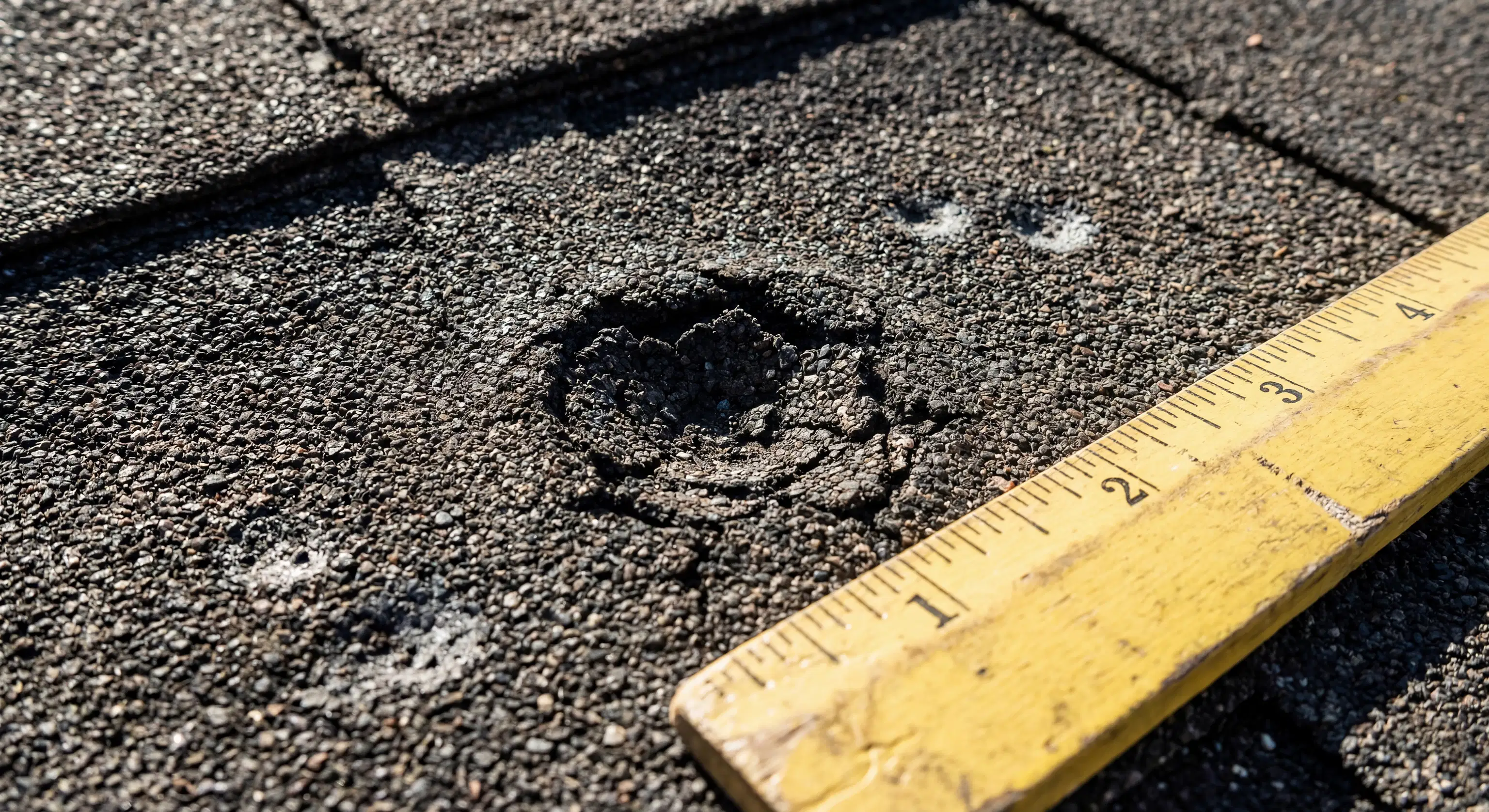
Normal wear usually happens gradually and uniformly across the entire roof surface. You might notice widespread, even granule loss, which can make the shingles look slightly bald or faded in large patches. Another common sign of aging is curling or cupping at the edges of the shingles. As the asphalt dries out over years of baking in the sun, the edges of the shingles become brittle and lift slightly.
You might also see blistering, which looks like tiny pimples or pockmarks on the shingle surface. This is typically caused by trapped moisture expanding in the heat and popping, which is a normal part of the aging process in highly humid climates. Finally, dark streaks or discoloration are often the result of algae growth—very common in our area—and not an indication of physical impact or structural failure. When assessing your roof, if the changes appear even, gradual, and widespread, you are likely looking at standard aging.
How to Spot Roof Hail Damage
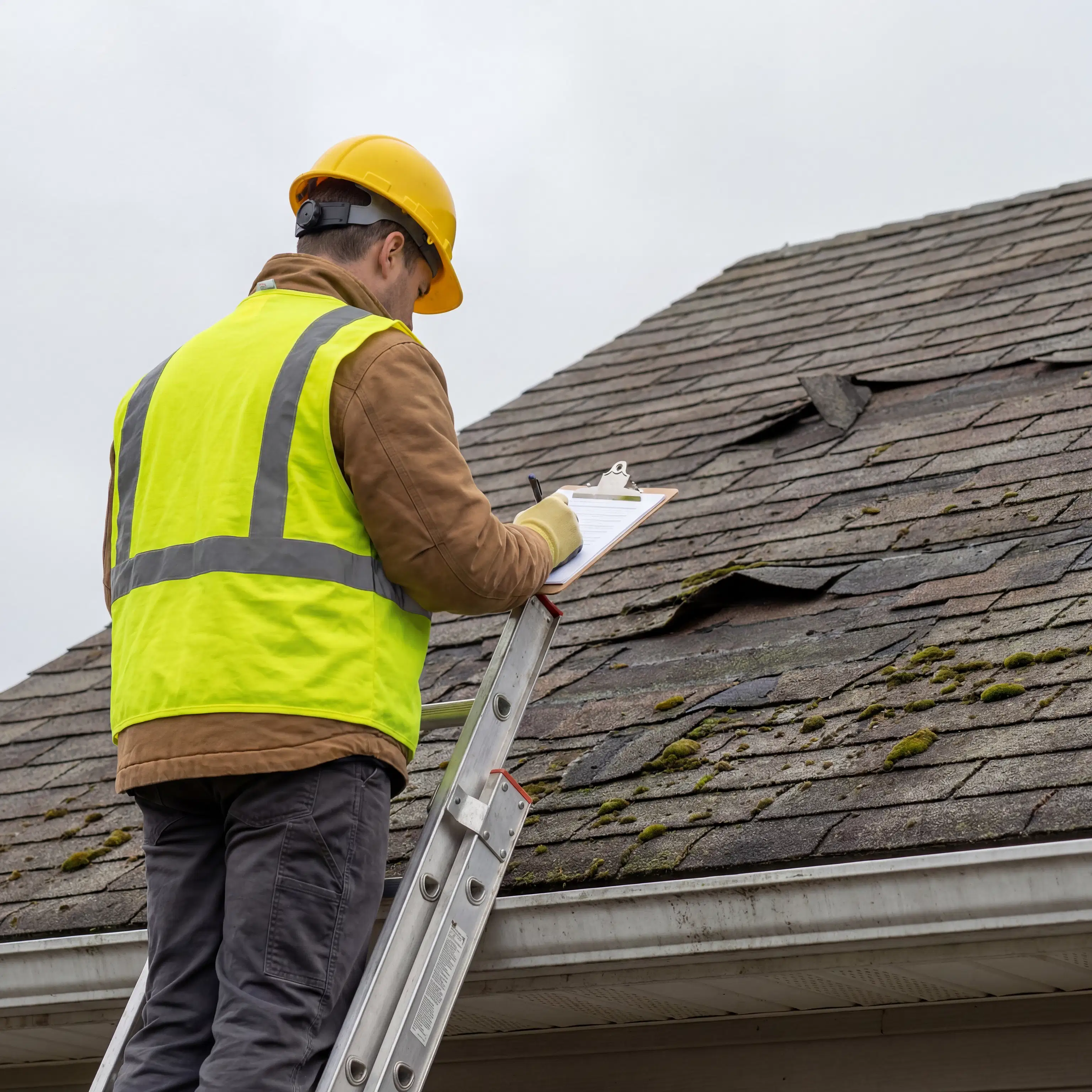
Unlike the gradual fading of normal wear, hail damage is an acute, sudden event that leaves distinct signatures on your roofing materials. When learning how to spot roof hail damage, the key is looking for random, localized impacts rather than uniform aging.
Hailstones strike the roof at various angles and speeds, resulting in a random pattern of damage. The most obvious sign is bruising or circular denting on the shingles. When a piece of hail hits hard enough, it dislodges a concentrated cluster of granules and physically bruises the asphalt mat underneath. If you lightly run your hand over a hail hit, it will feel like a distinct depression or a soft spot, similar to a bruise on an apple. In severe cases, the impact might be hard enough to expose the underlying fiberglass mat, which looks like a shiny, fibrous patch.
Collateral damage is another major indicator. If you suspect hail damage, you don't necessarily have to climb on your roof to find out. Look at the soft metals around your home from the ground. Check your gutters, downspouts, window screens, and the fins on your outdoor air conditioning unit for small dents and dings. If the metal vents on your roof or your mailboxes are dented, there is a very high probability that your shingles sustained damage as well.
Navigating the Insurance Process
If you have identified signs of recent storm impacts, the next step is determining whether you should file a claim. Filing an insurance claim for roof hail damage can feel overwhelming, especially with the influx of aggressive, transient salespeople who flood local neighborhoods like Aliana and Pecan Grove after a storm.
Insurance companies require clear, documented evidence that the damage was caused by a specific weather event and not just neglect or old age. This is where professional insurance appraisal becomes invaluable. A reputable, local contractor will perform a thorough assessment, taking precise photographs and documenting the extent of the damage according to the strict standards required by insurance adjusters.
Because Texas law prohibits contractors from waving deductibles, it is incredibly important to work with a team that focuses on accurate, honest reporting rather than high-pressure sales tactics. A proper appraisal ensures that if you do have legitimate storm damage, your claim is filed correctly the first time, minimizing delays and out-of-pocket surprises. We help homeowners bridge the gap between complex insurance policies and the actual repairs needed to secure their homes.
Protecting Your Home's Future
Knowing the difference between an aging roof and a storm-damaged roof empowers you to make the right choices for your property. While normal wear and tear gives you time to plan and budget for an eventual replacement, hail damage compromises your roof's waterproofing ability immediately, leaving your home vulnerable to hidden leaks and interior water damage during the next heavy rain.
If you are unsure about the condition of your roof, it is always safest to have a professional take a look. Whether you need minor maintenance, guidance through an insurance claim, or a complete residential roofing installation, ICON Roofing & Exterior is here to help our neighbors throughout Fort Bend County. Reach out to our team today to schedule a comprehensive, pressure-free evaluation of your roof, and let us ensure your home is fully protected for whatever the weather brings next.