Preventing Algae and Humidity Damage on Richmond Roofs
Living in our beautiful part of Texas comes with plenty of perks, but the climate can be incredibly tough on your home's exterior. If you have noticed unsightly dark streaks running down your shingles, you are not alone. The combination of intense summer heat and the heavy moisture rolling off the Brazos River basin creates the perfect breeding ground for roof-damaging organisms. For homeowners in Richmond, understanding how humidity affects asphalt shingles and knowing how to prevent these issues is essential for protecting your property value and avoiding premature replacements.
The Culprit Behind the Black Streaks
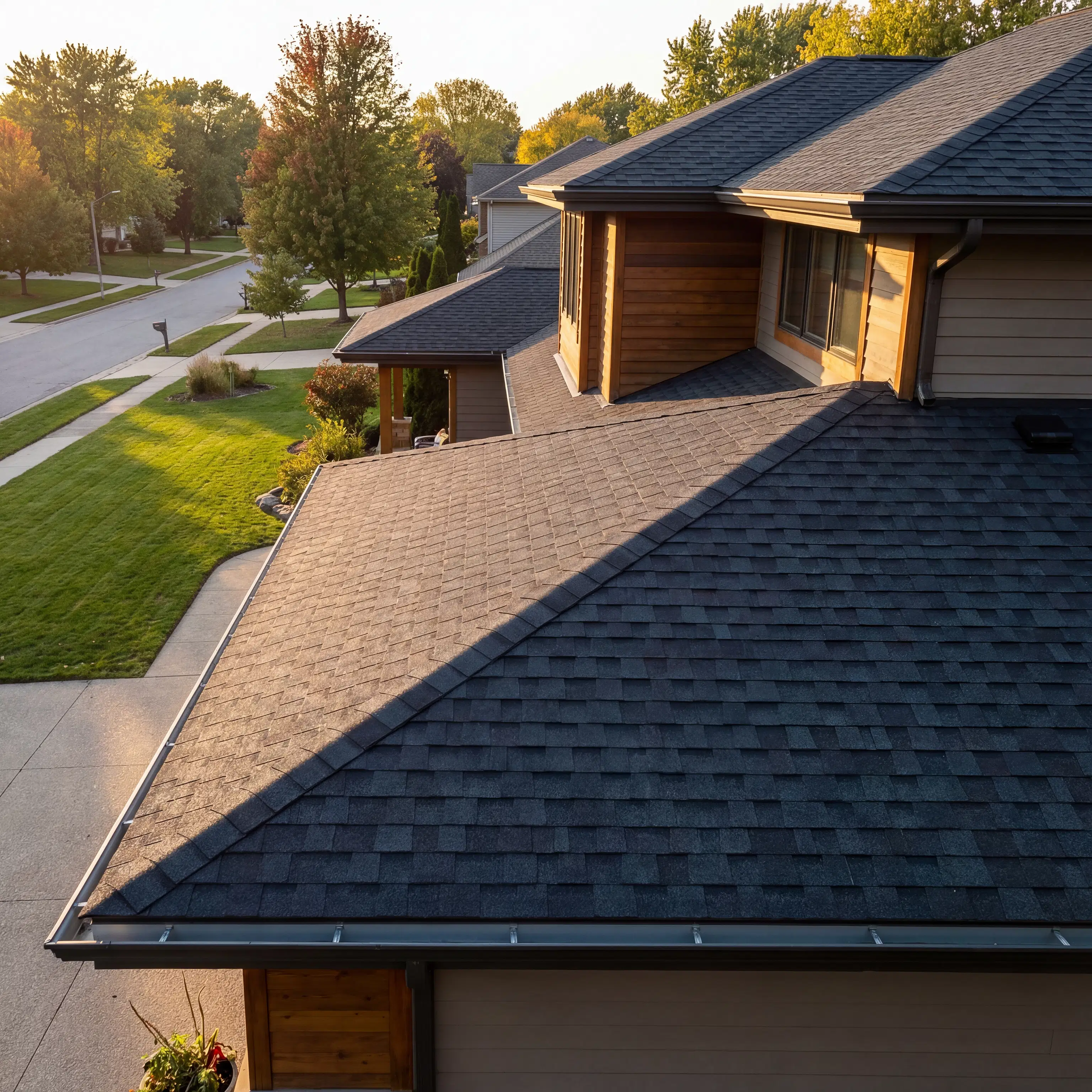
Many homeowners mistake the dark stains on their roofs for dirt, soot, or normal wear and tear. In reality, those black streaks are a hardy type of blue-green algae called Gloeocapsa magma. This algae thrives in warm, humid environments and actually feeds on the crushed limestone used in modern asphalt shingles. As the algae consumes the limestone, it weakens the structural integrity of the shingle, leading to premature granule loss and leaving your home vulnerable to the elements.
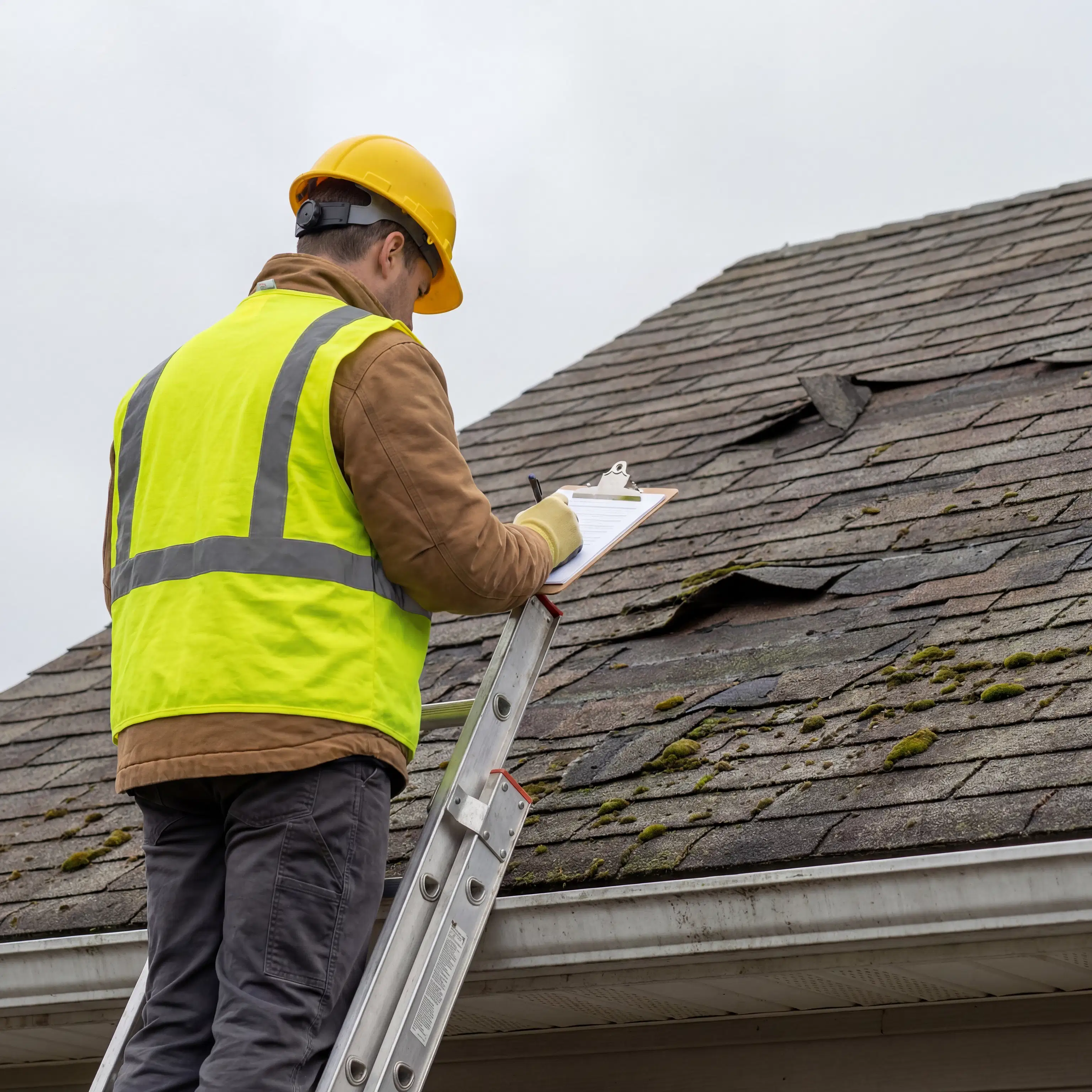
Beyond just algae, constant exposure to Gulf Coast weather takes a toll on roofing materials. High humidity levels can cause moisture to become trapped beneath the shingles, especially if your attic is not properly ventilated. Over time, this trapped moisture bakes in the extreme Texas summer heat, causing the decking to warp and the shingles to blister or curl. When shingles lose their shape, they can no longer provide a watertight seal, increasing the risk of leaks during our frequent heavy downpours.
Proactive Roof Maintenance for Humid Climates
Preventing black algae streaks on your roof and mitigating humidity damage requires a proactive approach. One of the most effective steps you can take is managing the shade and debris around your home. If you live in an established neighborhood like Pecan Grove, you likely enjoy the shade of mature trees. However, overhanging branches prevent sunlight from drying out your roof, creating the damp, shaded environment that algae loves. Regularly trimming back branches not only helps keep the roof dry but also prevents severe Live Oak damage from limbs scraping against the shingles during high winds.
Another critical component of roof maintenance for humid climates is ensuring your attic has adequate ventilation. Proper airflow allows hot, moist air to escape rather than accumulating under your roof deck. If your home feels unusually hot in the summer or you notice condensation in your attic, it might be time to have your ventilation system evaluated. Scheduling routine roof repair and maintenance with a qualified professional can help identify these airflow issues and catch early signs of algae growth or moisture damage before they require extensive repairs.
Differentiating Between Humidity Wear and Storm Damage
In our region, it is common for homeowners to wonder if their roof issues are simply the result of normal wear and tear from the humid climate or if they have sustained actual storm damage. While algae and trapped moisture cause gradual deterioration, severe weather events like hail or high winds cause immediate, acute damage. You might notice bruised shingles, missing granules in concentrated spots, or lifted flashing.
Navigating the aftermath of a storm can be incredibly stressful, especially when dealing with delays in insurance claim approvals. It is crucial to have a professional evaluate your roof to document the exact cause of the damage. A thorough inspection provides the necessary evidence to support your homeowners insurance claims, ensuring you get the coverage you deserve without unnecessary delays. Having a clear, documented assessment helps separate the slow degradation caused by humidity from the sudden impact of a storm, streamlining the entire recovery process.
Choosing the Right Materials and a Trusted Partner
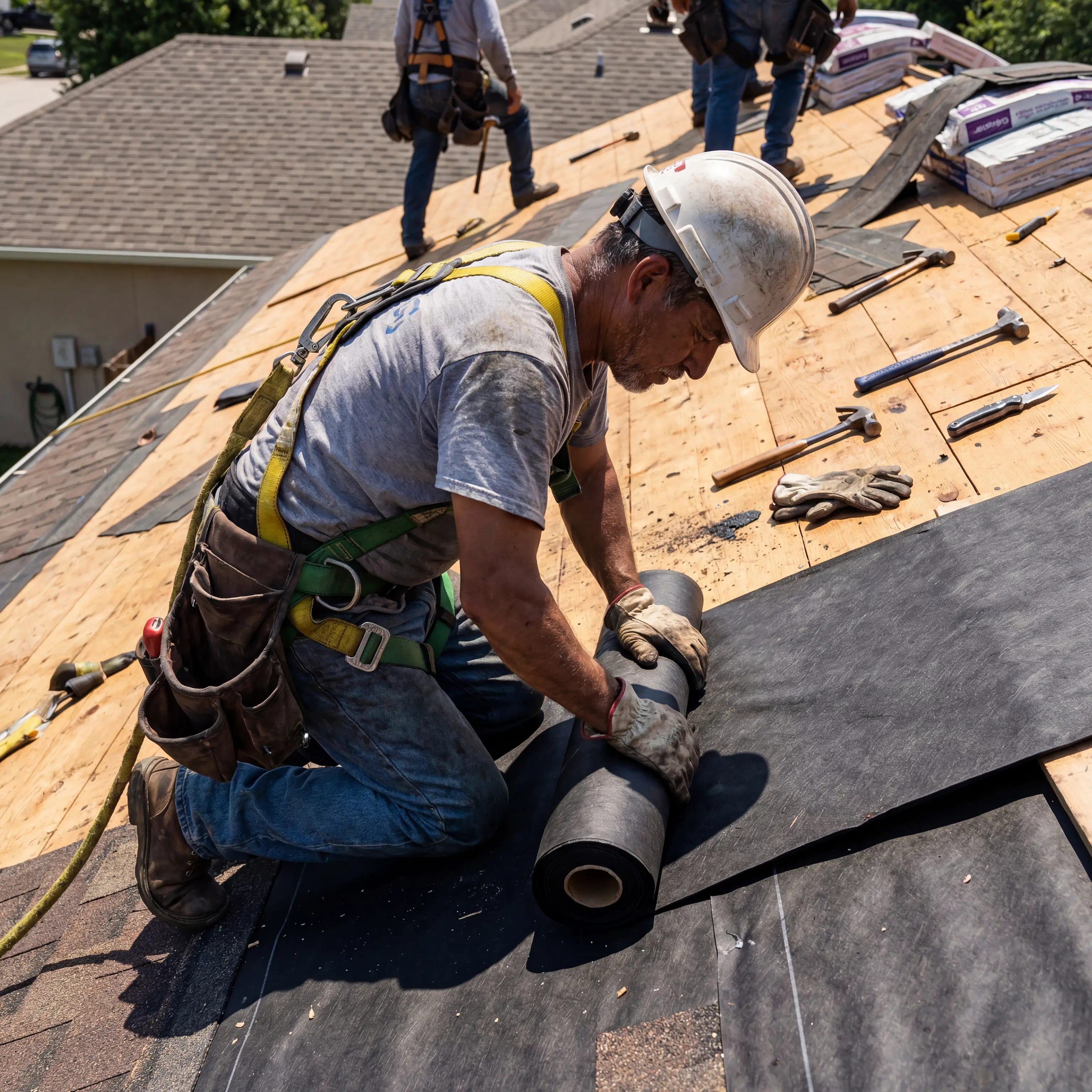
If your roof is nearing the end of its lifespan or has sustained significant damage, upgrading your materials can offer long-term protection against our local climate. Today, many high-quality architectural shingles are manufactured with copper-coated granules specifically designed to inhibit algae growth. When planning a residential roofing project, selecting these algae-resistant options can keep your home looking pristine for years to come.
Unfortunately, after severe weather events, our area is often flooded with out-of-state storm chasers who use high-pressure sales tactics and subpar materials. These transient crews rarely stick around to honor warranties or address long-term issues like improper ventilation that leads to humidity damage. Protecting your investment means working with a deeply rooted local contractor who understands Fort Bend County building codes and the specific challenges of our climate. A reputable local team will provide transparent, detailed estimates and stand behind their workmanship long after the job is done.
Protect Your Home's First Line of Defense
Your roof is your home's most important barrier against the elements, and it requires specialized care to withstand the unique challenges of our humid, storm-prone region. By staying proactive with maintenance, managing overhanging trees, and ensuring proper ventilation, you can extend the life of your shingles and keep those unsightly black streaks at bay.
If you are concerned about algae growth, suspect moisture damage, or simply want to ensure your home is ready for the next storm season, the team at ICON Roofing & Exterior is here to help. We pride ourselves on delivering honest assessments and top-tier craftsmanship to our neighbors across the Fort Bend area. Contact us today to schedule a comprehensive inspection and keep your roof in peak condition year-round.