
Repairing Roof Damage From Overhanging Tree Limbs: A Guide for Homeowners
We love the lush, mature trees that shade our neighborhoods. Whether you are walking through Pecan Grove or admiring the canopy in Historic Richmond, those massive trees offer incredible relief from the extreme Texas summer heat. However, when branches extend too far over your house, they can pose a serious threat to your property. Dealing with tree limb roof damage repair is a common reality for homeowners in our area, especially when high winds roll through Fort Bend.
While trees are great for energy efficiency and curb appeal, they require careful management to ensure they do not compromise your home's structural integrity. Let's look at how overhanging branches can damage your shingles, what warning signs to look for, and what steps you need to take to protect your home from sudden impacts and long-term wear.
Recognizing Signs of Roof Puncture from Falling Branches
Trees do not necessarily have to fall over completely to cause major structural headaches. Live Oak damage often happens gradually or during brief but intense wind events typical of Gulf Coast weather.
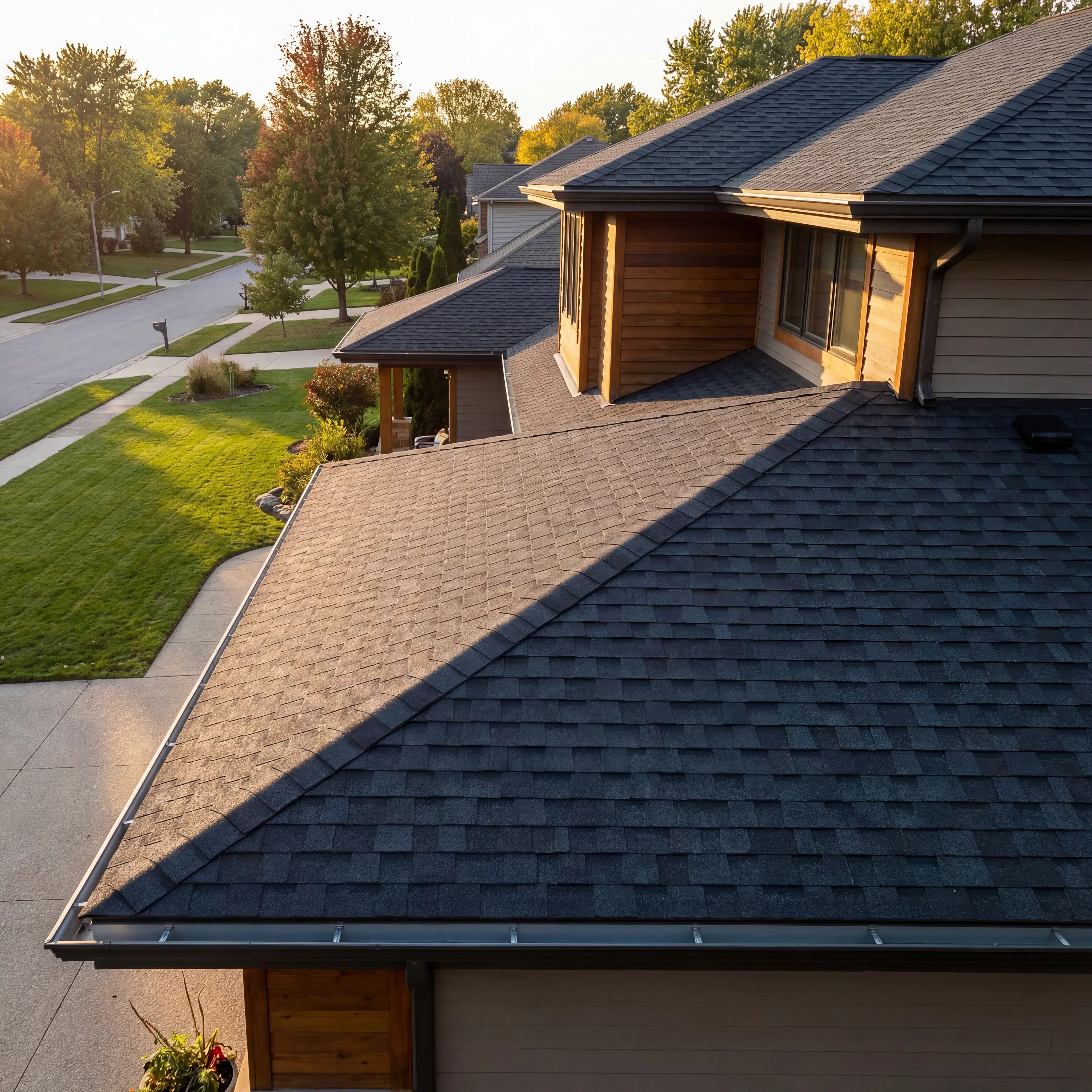
One of the most obvious issues is direct impact. When a heavy limb snaps and strikes your house, it can easily crack or puncture the decking underneath the shingles. Signs of roof puncture from falling branches include visible indentations on the roofline, loose or missing shingles in a concentrated area, and interior water spots appearing on your ceiling shortly after a storm.
But there are also subtle signs of wear and tear that happen daily. Overhanging branches that constantly scrape against asphalt shingles in the wind act like sandpaper, stripping away the protective granules. Once these granules are gone, the underlying asphalt is exposed to extreme UV rays, causing the shingles to crack and degrade quickly in the sun.
Additionally, the constant shade and dropped leaves from overhanging limbs create the perfect environment for moisture retention in the Brazos River basin's humid climate. This trapped moisture often leads to black algae streaks or even roof rot, compromising the lifespan of your materials long before a physical impact occurs. If you notice localized dark spots, accumulated debris in your valleys, or damaged flashing around chimneys near trees, it is time for a professional assessment.
Emergency Steps: What to Do After a Limb Strike
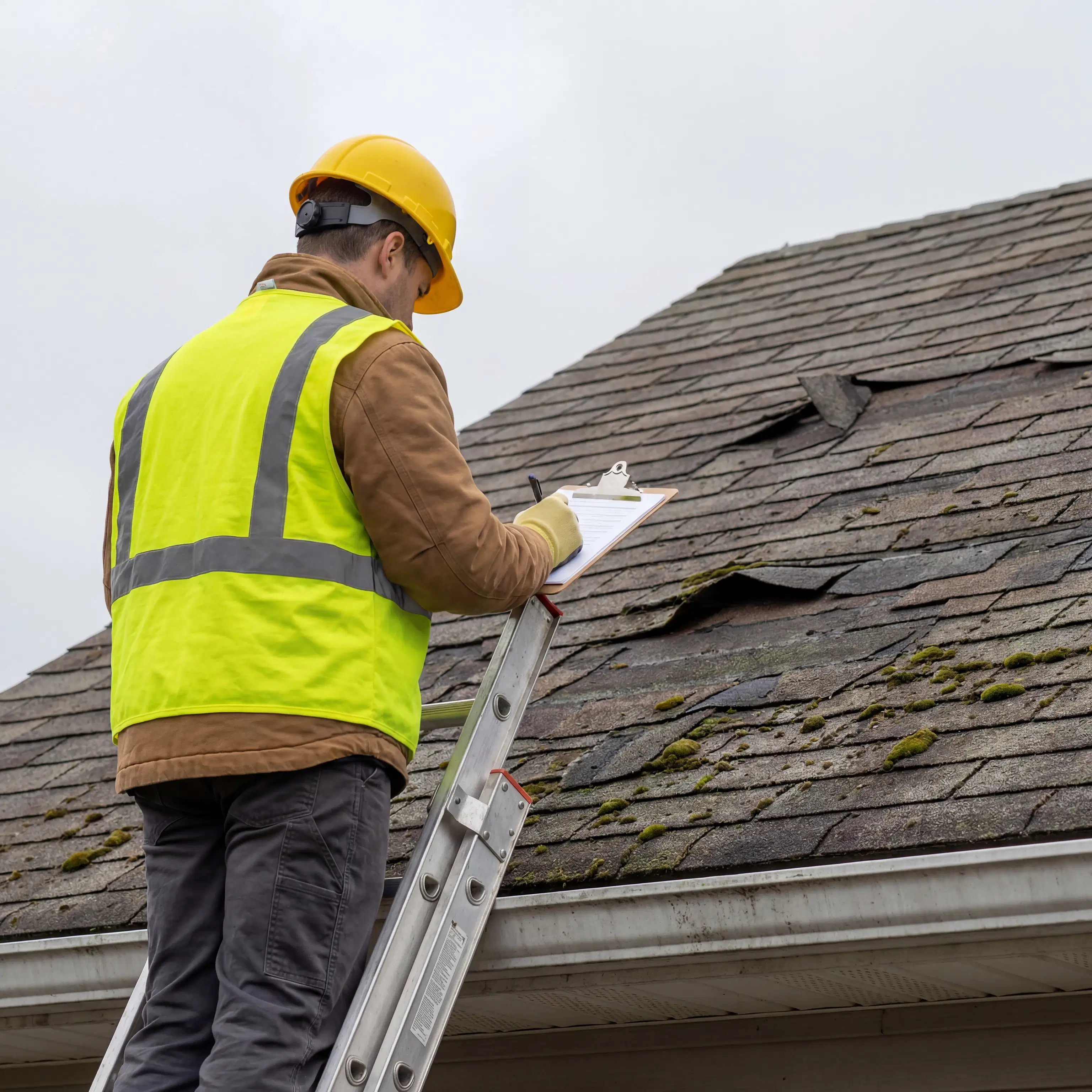
If a severe storm blows through and sends a massive branch crashing into your house, physical safety is your absolute first priority. Evacuate the immediate area beneath the impact, inside and outside, and do not attempt to climb onto the roof yourself to remove the debris.
Your next step should be securing the envelope of your home to prevent water intrusion. This is where emergency roof tarping after a tree limb strike becomes critical. Getting a heavy-duty tarp properly secured prevents rain from destroying your insulation, drywall, and personal belongings. At ICON Roofing & Exterior, we provide rapid storm damage repair to secure your property immediately while you start the insurance claim process.
Navigating insurance claims for falling trees can be incredibly frustrating. We highly recommend taking clear photos of the damage from the ground before any cleanup begins. It is also important to be aware of local regulations, such as Texas House Bill 2102, which requires homeowners to pay their full insurance deductibles. Unfortunately, severe weather events often bring a wave of out-of-state storm chasers knocking on doors, offering to waive deductibles illegally. It is vital to work with a licensed, established local professional who understands local building codes and will be here to honor their long-term workmanship warranty long after the storm has passed.
Fixing Roof Leaks from Tree Branches and Preventing Future Damage
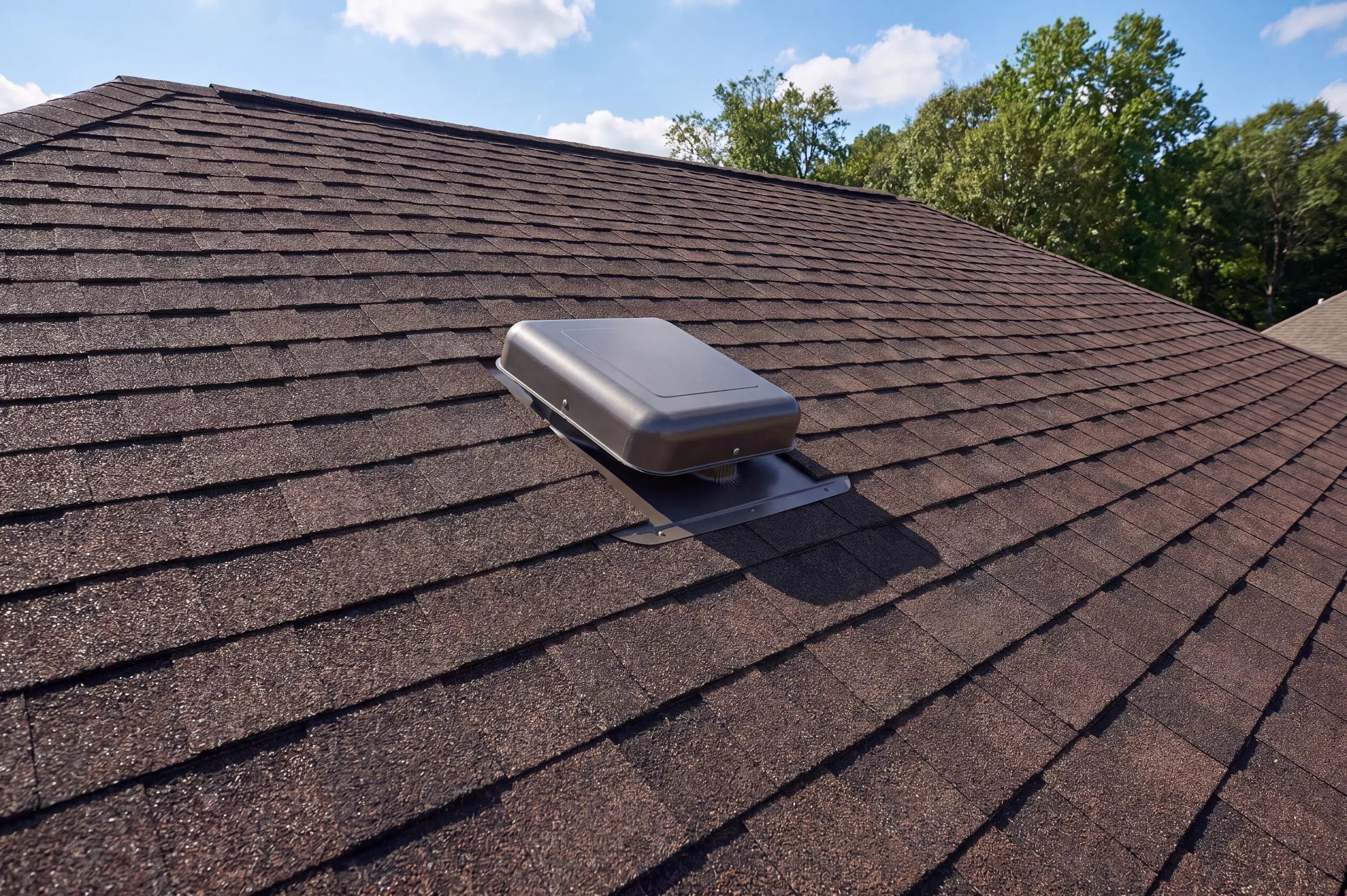
Once the immediate crisis is handled, a permanent fix is required. Fixing roof leaks from tree branches isn't just about slapping some sealant on a cracked shingle. A proper repair involves removing the damaged shingles, inspecting the underlying underlayment and decking for hidden fractures, and replacing the compromised sections to seamlessly blend with the rest of your roof.
To prevent this cycle of damage, proactive tree trimming is essential. Arborists generally recommend keeping all branches at least six to ten feet away from your roofline. Not only does this prevent scraping and impact damage, but it also deters squirrels and rodents from using your trees as a bridge to your attic, which can lead to entirely different types of roof damage.
Staying ahead of these issues with regular roof repair and maintenance ensures that minor scuffs do not turn into major interior leaks during the next heavy rain. Proactive maintenance is always more cost-effective than emergency replacements.
If you are concerned about branches hanging over your home or suspect you might already have hidden damage, do not wait for a leak to show up in your living room. Reach out to ICON Roofing & Exterior today. We are proud to serve the Richmond community with honest assessments, detailed free estimates, and high-quality workmanship. Contact us to schedule a thorough evaluation of your roof and keep your home protected year-round.